
Damp, Mould, and New Zealand Winters
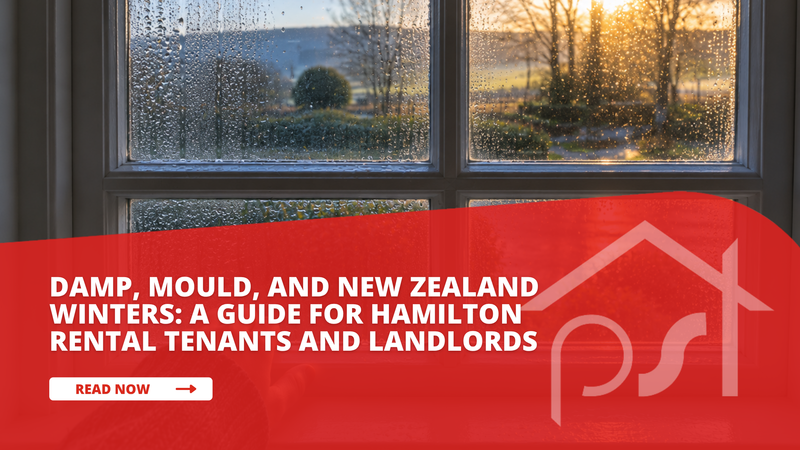
Mould and moisture are among the most common issues in rental properties across Hamilton, Cambridge, and Te Awamutu. They affect tenant health, damage property, and generate disputes at the end of tenancies. At Propertyscouts Riverside, we manage residential rentals across the wider Waikato region, and these issues come up regularly. Most cases are preventable, but prevention requires action from both landlords and tenants, and a clear understanding of where each side's responsibility begins and ends.
Why is my property getting damp and mould?
Hamilton's climate is wetter and more humid than many tenants expect, particularly those arriving from overseas. Waikato winters are cold in a penetrating way, and many rental properties, especially those built before 2000, have limited insulation, single glazed windows, and inadequate ventilation by modern standards.
A household of even two or three people generates significant indoor moisture through cooking, showering, and breathing. When that moisture has nowhere to go, because windows stay closed, extractor fans are not used, or the property lacks adequate insulation, it settles into walls, fabrics, and corners, and mould follows.
This is not a unique problem to Hamilton, but the Waikato's climate and the age profile of its rental housing stock make it a particularly common one.
What am I legally required to provide as a landlord under the Healthy Homes Standards?
All rental properties in New Zealand must comply with the Healthy Homes Standards. This is not optional. Tenancy Services can audit compliance, and failing to meet the standards weakens your position in any Tenancy Tribunal proceeding.
The requirements most relevant to moisture and mould are:
Fixed heating. Every rental must have a fixed heater capable of warming the main living area. In Hamilton, heat pumps are the most practical and cost effective solution. Portable heaters do not satisfy this requirement as a primary heat source.
Ventilation. Kitchens and bathrooms must have compliant ventilation, either openable windows or extractor fans venting directly to the outside. If mechanical ventilation is required and not present, you are responsible for having it installed.
Insulation. Ceiling and underfloor insulation must meet the minimum standard for the Waikato climate zone. Pre 2000 properties that have not been upgraded are likely non compliant and should be assessed by a qualified assessor.
Weathertightness and drainage. The property must be structurally sound and weathertight. Roofs, windows, and foundations must not allow water ingress. Gutters and drainage must be functioning. Any structural moisture issue, such as a leaking roof, rising damp, or failed flashings, is your responsibility to address promptly.
At Propertyscouts Riverside, we verify Healthy Homes compliance for every property we manage and keep landlords informed of any outstanding requirements. Meeting the legal standard is the baseline; the goal is a home that is genuinely liveable through a Waikato winter.
What can I do as a tenant to stop mould growing in my rental?
A property can be fully Healthy Homes compliant and still develop mould if it is not ventilated properly day to day. How you live in the property matters enormously, and a few consistent daily habits prevent the majority of moisture related problems in rentals.
Open windows for at least 15 minutes every morning. Overnight, a household generates moisture through breathing and body heat. Airing the house out each morning releases that moisture before it settles into walls and soft furnishings.
Run the bathroom extractor fan during every shower and for at least 15 minutes afterwards. A short shower in a small bathroom produces more moisture than most people realise. The fan needs time to clear it.
Never dry wet laundry inside without opening windows. Drying a load of washing indoors on a rack with no ventilation raises indoor humidity significantly and is one of the leading causes of mould in Waikato rental homes. If drying inside is unavoidable, open windows and run a dehumidifier.
Wipe condensation from windows and windowsills each morning in winter. Left to pool, condensation soaks into timber sills and paintwork, creating exactly the conditions mould needs to establish itself.
Keep furniture slightly away from external walls. Air needs to circulate behind wardrobes, sofas, and curtains. Pushing furniture against a cold external wall traps moisture and creates hidden mould growth.
Heat the home consistently rather than in sharp bursts. Repeatedly heating a cold house and then letting it cool completely causes temperature swings that encourage condensation. A lower, steadier level of heating throughout the day is better for both comfort and the building.
Use a dehumidifier in bedrooms with poor ventilation during winter. In rooms without extractor fans or adequate window space, a dehumidifier makes a material difference.
Why shouldn't I put my mattress on the floor in my New Zealand rental?
This is a warning that surprises many tenants, but it is one of the most practical pieces of advice we give to anyone moving into a Hamilton rental for the first time.
Placing a mattress directly on the floor without a bed frame cuts off all airflow beneath it. In the Waikato's humid climate, the warmth from a sleeping body combined with ambient moisture creates condensation between the mattress and the floor. Within days, not weeks, mould can form underneath. It damages the mattress, damages the floor or carpet beneath it, and poses a health risk, particularly for children.
"When we arrived in Hamilton from South Africa, the idea that a mattress on the floor could grow mould within days simply did not occur to us. New Zealand taught us otherwise, and fast." — Tiaan, Propertyscouts Riverside
A basic bed frame, even an inexpensive one, creates the airflow needed to prevent this. It is the single most important piece of furniture to buy first when moving into any rental.
Is the mould in my rental my fault or my landlord's responsibility?
This is one of the most common questions we receive at Propertyscouts Riverside, and the honest answer is: it depends on the cause.
Structural mould (landlord's responsibility) arises from a leak, rising damp, inadequate insulation, or a ventilation system that does not meet Healthy Homes Standards. The landlord must address the underlying cause, not just clean the surface mould.
Behavioural mould (tenant's responsibility) arises from consistently poor ventilation habits: not opening windows, not running extractor fans, drying laundry inside without airflow. This type of mould is the tenant's responsibility to prevent, and damage caused by it may be recoverable at the end of the tenancy.
In practice, both factors often contribute. The key principle on both sides is to act quickly and document everything. Tenants who notice mould should report it in writing immediately, photograph it, and note when it first appeared. Landlords who receive a mould report should respond promptly, inspect the property, and determine whether there is a structural cause.
How do I know if my rental property is actually Healthy Homes compliant?
This is a question every landlord should be able to answer with certainty, not assumption. Compliance is not self assessed. It needs to be verified against the specific requirements for each property, including its age, construction type, and climate zone.
If you have not had a formal compliance assessment done, or if your property is older stock that has not been upgraded in recent years, now is the time to confirm its status. Non compliance carries financial penalties and, in a Tenancy Tribunal context, can significantly weaken a landlord's position even in disputes that have nothing to do with insulation or heating.
At Propertyscouts Riverside, compliance verification is part of how we onboard every new property. We work with Hamilton landlords to identify any gaps and manage the process of getting them resolved.
Where can I get help with mould, ventilation, or Healthy Homes compliance for my Waikato rental?
Whether you are a Hamilton landlord wanting to confirm your property is compliant, or a tenant with concerns about damp, heating, or mould in your rental, Propertyscouts Riverside is here to help.
We manage residential rental properties across Hamilton, Cambridge, Te Awamutu, and the wider Waikato region. Healthy Homes compliance, clear tenant communication, and well maintained properties are central to how we operate. Get in touch with our team to find out more.