
How Can I Get My Full Rental Bond Back in New Zealand?
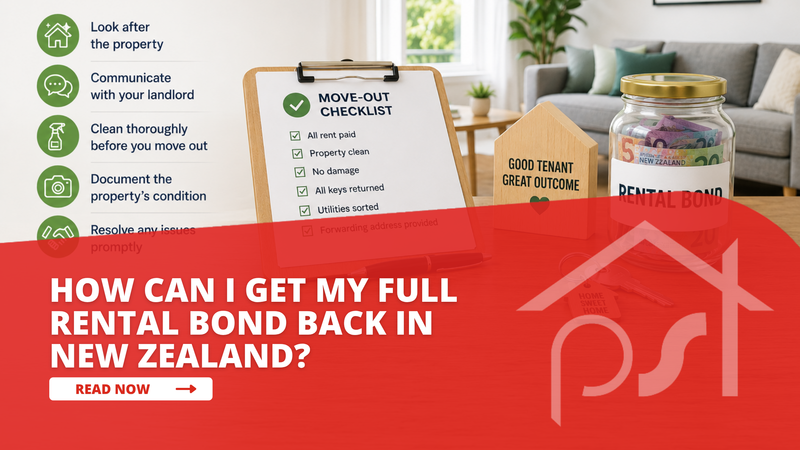
If you clean thoroughly, document your move out with photos, tidy the outdoor areas, and maintain open communication with your property manager throughout your tenancy, you put yourself in the strongest possible position to walk away with every cent.
As Hamilton's property management specialists covering Hamilton and surrounding areas, the Propertyscouts Riverside team has conducted hundreds of end of tenancy inspections. Here is exactly what we look for, and what you need to do before we arrive.
What Does "Returning the Property in Good Condition" Actually Mean?
It means leaving the home in the same state it was in when you moved in, accounting for normal everyday use over time. Any damage that has occurred during the tenancy should be reported to your property manager promptly, not held until the end of the tenancy. Reporting issues as they arise allows your property manager to arrange appropriate remediation, keeps the property in good order, and protects you from larger claims at the end of your tenancy.
Your move-in inspection report sets the standard. When you receive it at the start of your tenancy, read through it carefully. If there is anything you disagree with or wish to add, raise it with your property manager within the timeframe specified in the Residential Tenancies Act. This ensures the record is accurate from day one and prevents disputes later about what condition the property was in when you moved in.
How Important Is Cleaning When It Comes to Getting Your Bond Back?
Cleaning is the single most common reason bond deductions are made in Hamilton rental properties. The standard you are working towards is leaving the property in a reasonably clean and tidy condition, consistent with how it was presented to you at the start of the tenancy.
The areas most frequently flagged on inspections are:
- Oven and grill - grease and baked-on residue inside the oven is one of the most cited issues we see
- Range hood filters - these need to be removed, soaked, and fully degreased
- Showers and shower traps - soap scum, mould on grout, and blocked or hair-filled traps are consistently flagged and easy to overlook
- Windows and tracks - clean glass on both sides and remove all grime, dust, and debris from the tracks and sills
- Inside all cupboards and drawers - wipe them out completely, including the pantry and bathroom vanity
- Bathroom extractor fans - a quick wipe removes the dust that accumulates and is immediately visible on inspection
- Carpets - vacuum thoroughly, and if your tenancy agreement required professionally cleaned carpets at move-in, arrange a professional clean and keep the receipt
If the idea of covering all of this feels overwhelming alongside an actual move, consider hiring a professional end-of-tenancy cleaner.
Do I Need to Take Photos When I Move Out?
Your property manager will conduct a full exit inspection on or after your move-out date. If there are any items that may affect your bond return, your property manager will contact you directly to discuss them.
Not every issue identified at an exit inspection will result in a bond deduction. Minor items, such as an unemptied bin or a small area that needs a wipe down, may simply be something you can return to address yourself. Where a more significant issue is identified, your property manager will arrange appropriate quotes and present the cost to you clearly before any bond claim is made. The process is transparent, and you will be informed at every step.
Taking your own photos on move-out day is a sensible personal record to keep. Photograph each room, all appliances, and the outdoor areas before you hand back the keys. This gives you a reference point you can refer back to if you have any questions about the exit inspection findings.
What Are My Responsibilities for the Garden and Outdoor Areas?
Your outdoor obligations are the same as your indoor ones: return the section to the standard recorded at the start of your tenancy. Lawns should be mowed and edged. Garden beds should be weeded and tidy. Any rubbish, stored materials, or personal items left outside need to be removed.
Waikato lawns can grow fast, so don't leave the garden until the last day. Give yourself enough time to mow, edge, and weed properly. If you inherited an overgrown section and improved it during your tenancy, that context is noted and your property manager will assess outdoor areas against the move-in inspection record.
What Is Fair Wear and Tear, and Can My Landlord Charge Me for It?
No. Fair wear and tear is a legal protection for tenants under the Residential Tenancies Act 1986, and landlords cannot charge for it. It refers to the gradual, reasonable deterioration that results from normal everyday use of a property over time.
Examples of fair wear and tear:
- Gradual fading of paintwork or carpets from light exposure
- Minor scuffs on walls and skirting boards from normal furniture use
- Carpet flattening in hallways and high traffic living areas
- Aged materials that have simply reached the end of their useful life
Examples of what fair wear and tear does not cover:
- Burns, significant stains, or damage to carpets or flooring caused by negligence
- Pet damage, including scratching, urine staining, or chewing
- Holes or gouges in walls beyond minor nail holes
- Mould caused by insufficient ventilation habits
- Damage resulting from unreported maintenance issues
Understanding this distinction matters. A good property manager applies it fairly and a tenant who has looked after the property well throughout their tenancy should have very little to be concerned about when it comes to fair wear and tear.
What Should I Do If I Have Questions About a Bond Deduction?
If you receive a bond claim and have questions about it, the first step is always to communicate directly with your property manager or landlord. In most cases, a straightforward conversation is all it takes to resolve a concern. Your property manager can walk you through what was identified at the exit inspection, share supporting documentation, and explain how any figures were reached.
Most bond matters are resolved this way without the need for any formal process. Open, honest communication between tenants and property managers is almost always the fastest and least stressful path to a resolution that works for everyone.
If a matter cannot be resolved through direct communication, Tenancy Services offers a mediation service as a next step before any Tribunal application is considered.
What Does a Good Property Manager Do to Make This Process Easier for Tenants?
A professional property manager makes the end of tenancy process clear and straightforward from the start. At Propertyscouts Riverside, we provide tenants with a thorough move-in inspection report, maintain open communication throughout the tenancy, and conduct exit inspections fairly and transparently.
When issues arise during a tenancy, whether maintenance, damage, or questions about obligations, we encourage tenants to contact us promptly. Addressing things early is always easier and less costly than dealing with them at the end of a tenancy. Our goal is not to find reasons to retain bond money. Our goal is well maintained properties, satisfied landlords, and tenants who leave with their full bond and a positive rental reference.
Questions About Your Bond or Tenancy in Hamilton?
The Propertyscouts Riverside team manages residential properties across Hamilton and surrounding areas. If you have questions about your bond, your obligations as a tenant, or how the end of tenancy process works, reach out - we are happy to help.
This article is intended as general information only and does not constitute legal advice. For specific tenancy queries, contact Tenancy Services or a qualified tenancy specialist.